Naturopathic By Nature

Healthy Eating & Healthy Living

Navigation
  • Recipes
  • Articles
    • Naturopathic
    • Pregnancy & Postnatal
    • Healthy Foods
    • Grocery Lists
  • About Us
  • Contact Us

Seven tips for maintaining healthy blood sugar levels

March 7, 2013 by Dr. Lyndsay Wareham, ND Leave a Comment

Taking responsibility for one's health is an important step to ward off disease... here we talk about keeping blood sugar levels healthy and diabetes at bay

Taking responsibility for one’s health is an important step to ward off disease… here we talk about keeping blood sugar levels healthy and diabetes at bay

1. Eat mini meals, always with protein

Eat 5-6 small meals per day; these meals should ideally be eaten while sitting down and consciously enjoying food rather than taking a bite here or there while driving, doing work at the computer, or walking around. Adding protein to all meals helps to slow the breakdown of food, which helps your body’s blood sugar levels stabilize.

2. Cinnamon

Ground cinnamon is tasty sprinkled on granola or oats in the morning, or on apple and almond butter as an afternoon snack. It also has the added benefit of lowering blood sugar levels.

3. Increase Fiber Intake

Increasing whole foods that are high in fiber, such as green leafy veggies, fruit (such as blueberries, raspberries & pears), ground flax and chia seeds (our favourite!), nuts and seeds (think raw almonds, sunflower & sesame seeds), whole grains (try quinoa, buckwheat, oats), and a variety of lentils & beans – all of these help to slow gastric emptying which allows more time for digestive juices to work on your food, so you get the most nutrients out of what you eat.

4. Reduce or eliminate refined sugar and carbohydrate intake

Refined sugars are very easy to digest, which explains why we get so hungry quickly after we’ve eaten a piece of milk chocolate, cookie, or pastry, for example. Reducing the intake of such refined sugars helps to maintain blood sugar levels and avoid large spikes and crashes in our energy throughout the day.
shutterstock_120945703

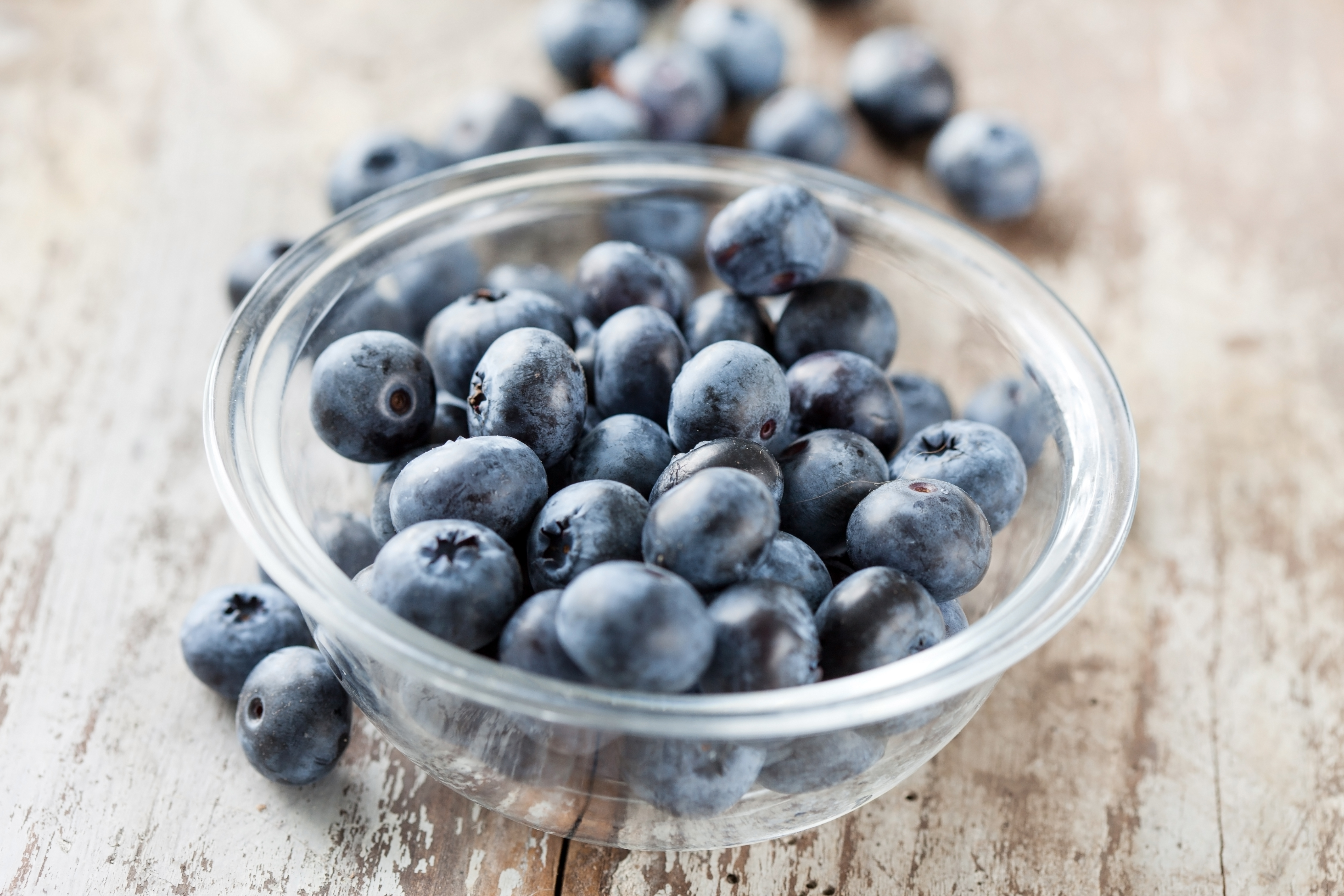
Blueberries and high in nutrients and fiber, low in calories and contain antioxidants – something that we all (diabetics and non-diabetics, alike) can benefit from!

Yes, even veggies and fruits can spike blood sugar levels. Veggies such as potatoes, parsnip & corn, and fruits such as bananas, watermelon, canteloupe & dates have a high sugar content. Try to substitute these with low sugar veggies (leafy greens, green beans, onions) and fruits (berries, peaches, plums).

6. Consider eating a low Glycemic Index (GI) diet

Visit http://www.glycemicindex.ca/glycemicindexfoods.pdf for an extensive list of foods (in alphabetical order) with their associated GI status. Or Search the ‘GI Database’ at http://www.glycemicindex.com/ to find out what foods are in a GI index category. Also, to find out more information and great resources on the GI index according to the Canadian Diabetes Association, visit http://www.diabetes.ca/for-professionals/resources/nutrition/glycemic-index/.

7. Exercise & physical activity!

Whether you enjoy jogging or cycling along a lakeshore, playing ultimate Frisbee, swimming, or lifting weights in a gym, the important thing is to get out and get active! Exercise helps reduce and stabilize your blood sugars naturally, without the need for medications, blood sugar lowering herbs or supplements.
Filed Under: Articles, Naturopathic Articles Tagged With: blood sugar, healthy blood sugar, pre-diabetes, stabilize blood glucose levels

FAQs about iron – including vegan sources of iron

March 7, 2013 by Dr. Lyndsay Wareham, ND Leave a Comment

What affects iron absorption?

Iron absorption is considered the amount of iron that the body takes up and uses from food. Most people absorb 10-15% of dietary iron, but this absorption is influenced by several factors.

Factors that influence iron absorption include:

  • Storage levels of iron
    • has the most influence on iron absorption
    • when body stores are low, iron absorption increases & when iron stores are high, absorption decreases to help protect against toxic effects of iron overload
  • Type of dietary iron consumed
    • Absorption of heme iron from meat proteins is about 15-35%
    • Absorption of non-heme iron found in plants ranges from 2-20% & depends on dietary factors
  • Certain dietary factors
    • Vitamin C helps improve non-heme iron absorption
    • Tannins (in tea), calcium, polyphenols, phytates (in legumes) may decrease iron absorption

How much iron is recommended daily?

Recommended Dietary Allowances for Iron for Infants (7-12 months), Children & Adults

Age Males(mg/day) Females(mg/day) Pregnancy(mg/day) Lactation(mg/day)
7 to 12 months

11

11

N/A

N/A

1 to 3 years

7

7

N/A

N/A

4 to 8 years

10

10

N/A

N/A

9 to 13 years

8

8

N/A

N/A

14 to 18 years

11

15

27

10

19 to 50 years

8

18

27

9

51+ years

8

8

N/A

N/A

Source: http://ods.od.nih.gov/factsheets/iron

What is the function of iron?

Oxygen distribution – Iron is the core of hemoglobin and myoglobin, which is the oxygen-carrying component of the red blood cell that picks up oxygen from the lungs and deliver oxygen to tissues & muscles throughout the body. The ability of red blood cells to carry oxygen is dependent on the presence of iron in the hemoglobin molecule. If we lack iron, we will produce less hemoglobin, and therefore supply less oxygen to our tissues.

Energy Production – Iron plays an important role in energy production, proper fat utilization, and immune system functioning.

What are symptoms of iron deficiency?

  • Fatigue
  • Weakness
  • Low stamina & exercise tolerance
  • Difficulties concentrating
  • Increased susceptibility to infections
  • Hair loss
  • Dizziness
  • Headaches
  • Brittle nails
  • Apathy
  • Depression

Who is at risk for being iron deficient?

  • People who donate blood regularly
  • Women with excessive menstrual bleeding
  • Those on medications that interfere with iron absorption (ie. antacids)
  • Pregnant & lactating
  • Elderly, vegetarians, and children with inadequate dietary intake
  • Those with medical conditions causing internal bleeding
  • People with parasitic infections

 What are vegan sources of iron?

Iron Content of Selected Vegan Foods

Food

Amount

Iron (mg)

Soybeans, cooked 1 cup

8.8

Blackstrap molasses 2 Tbsp

7.2

Lentils, cooked 1 cup

6.6

Quinoa, cooked 1 cup

6.3

Tofu 4 oz

6.0

Spirulina 1 tsp

5.0

Tempeh 1 cup

4.8

Lima beans, cooked 1 cup

4.4

Pumpkin seeds, raw 1/4 cup

4.2

Swiss chard, cooked 1 cup

4.0

Black beans, cooked 1 cup

3.6

Pinto beans, cooked 1 cup

3.5

Spinach, cooked 1/2 cup

3.2

Chickpeas, cooked 1 cup

3.2

Potato 1 large

3.2

Kidney beans, cooked 1 cup

3.0

Prune juice 1 cup

3.0

Beet greens, cooked 1 cup

2.7

Tahini 2 Tbsp

2.7

Peas, cooked 1 cup

2.5

Black-eyed peas, cooked 1 cup

2.3

Cashews 1/4 cup

2.1

Brussels sprouts, cooked 1 cup

1.9

Bok choy, cooked 1 cup

1.8

Bulgur, cooked 1 cup

1.7

Raisins 1/2 cup

1.6

Almonds 1/4 cup

1.5

Apricots, dried 15 halves

1.4

Soy yogurt 6 oz

1.1

Tomato juice 8 oz

1.0

Green beans, cooked 1 cup

1.2

Kale, cooked 1 cup

1.2

Sunflower seeds 1/4 cup

1.2

Broccoli, cooked 1 cup

1.1

Millet, cooked 1 cup

1.1

Sesame seeds 2 Tbsp

1.0

Adapted From: http://www.vrg.org/nutrition/iron.htm

Sources:

http://ods.od.nih.gov/factsheets/iron

http://www.vrg.org/nutrition/iron.htm

http://www.vrg.org/nutshell/vegan.htm

http://www.whfoods.com/genpage.php?tname=nutrient&dbid=70


Filed Under: Articles, Healthy Foods Tagged With: daily value of iron, importance of iron, iron absorption, iron deficiency signs, vegan sources of iron

Four easy ways to enjoy a gluten-free breakfast

March 7, 2013 by Dr. Lyndsay Wareham, ND Leave a Comment

1. Yummy Oats with Your Choice of Toppings

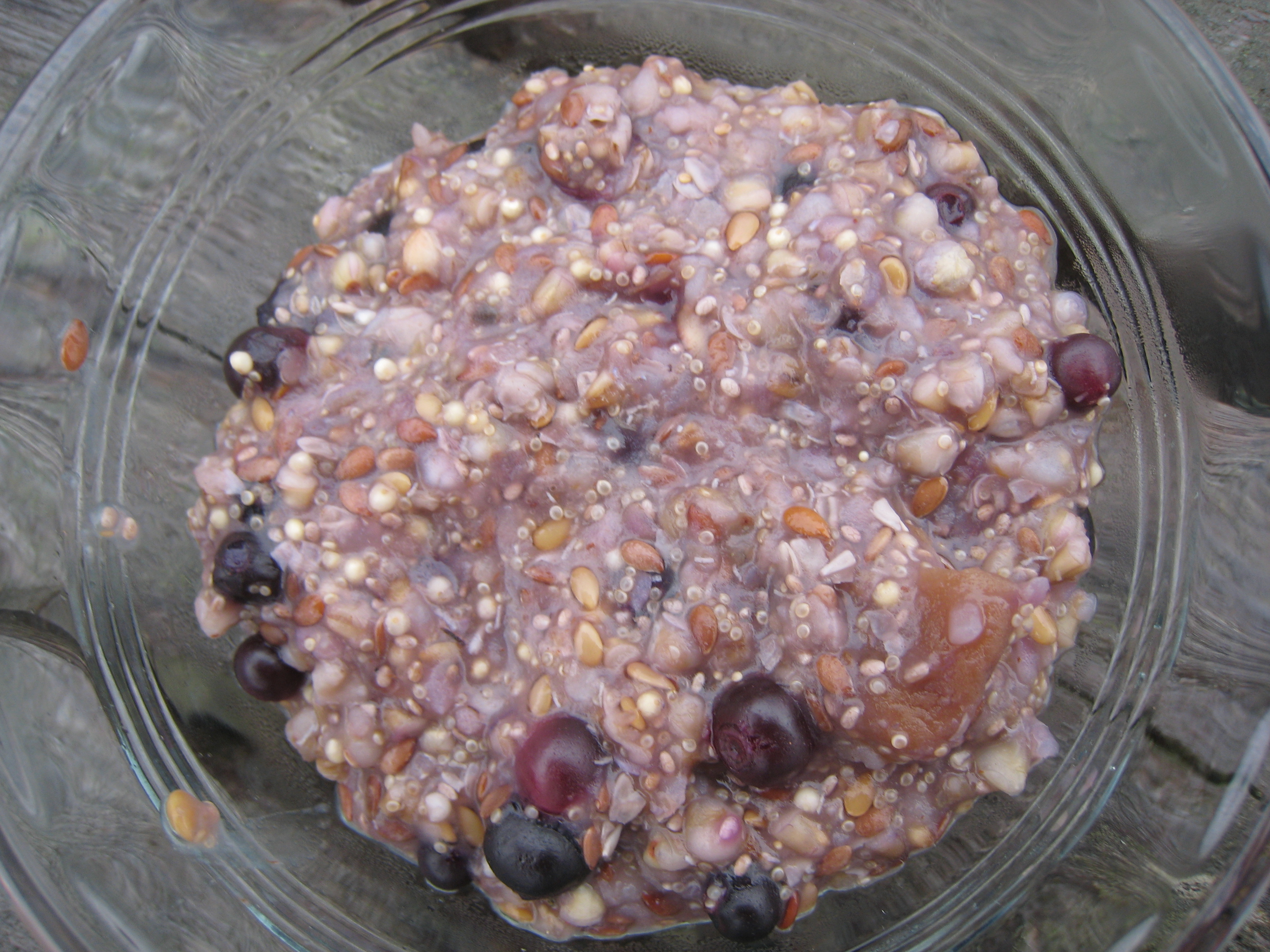
warm cereal

This warm cereal has a mix of gluten-free grains – gluten-free steel cut oats, amaranth, quinoa, & buckwheat groats. Simple bring 3 cups water, a pinch of salt & 1 cup mixed grains to a boil & let simmer for 30-40 mins. Add sweetener, nuts, seeds, spices (cinnamon, cardamon, star anise, sliced ginger), fruit of your choice & enjoy!

In a container, measure out:

  • ½ to ¾ cup gluten-free rolled Oats*
  • 1-2 Tbsp seeds of your choice (hemp hearts, ground flax, ground chia seeds, sunflower seeds, pumpkin seeds)
  • ½ cup frozen berries (blueberries, blackberries, strawberries) and/or fruit (mango, melon, peach) of your choice
  • 1-2 tsp of your favorite sweetener (honey, maple syrup, agave syrup, coconut sugar)
  • sprinkle of cinnamon or a few drops of pure vanilla (optional)

– You can prepare the above mixture the night before to save time in the morning. If so, just store it in the fridge overnight. Otherwise, make up this mixture in the morning and add hot water, dairy-free milk (coconut, rice, almond or hemp milk), or even brewed tea (my favourites are Yogi Chai Rooibos and Celestial Seasonings Bengal Spice. You can do this at home or while at work (just remember to keep a container of ‘mylk’ in the fridge at work).

– Feel free to use different combinations of seeds, fruit & sweetener to add variety to your morning oats.

*Bob’s Red Mill makes gluten-free rolled Oats, which can be found at Superstore, Sobeys, Corn Crib, etc.

2. Make Your Own Granola

Make up a batch of our ‘Easy & Delicious Never Fails Granola‘! Place 1/2 to 1 cup in a bowl and top with yogurt or your favorite dairy-free milk. If you eat your breakfast at work, add ½ to 1 cup in a small container and bring to work with you in the morning. Add yogurt or dairy-free milk, and enjoy! Feel free to bring some in–season fruit to enjoy with your granola, such as a peach, pear, apple, berries, apricots, cherries, banana, etc.

3. Gluten-Free Cold Cereal

You can prepare cold cereal in the same way as the “Yummy Oats with Your Choice of Toppings”, except using 1-2 cups cereal instead of oats. Feel free to mix and match toppings!

Gluten-Free Cereals that you can find at Superstore, Sobeys, Corn Crib, Bulk Barn, and other specialty grocery stores include:

  • Nature’s Path MesaSunrise (can find this in a smaller box or large bag)
  • Nature’s Path Millet Rice (can find this in a smaller box or large bag)
  • GlutenFreeda Granola
  • Glutino cold cereals (various types)

– Don’t forget to store some dairy-free milk at work, if you bring your breakfast to work in the morning to enjoy.

4. Gluten-Free Waffles

Nature’s Path makes frozen gluten-free Buckwheat waffles & Chia Plus waffles. You can store them in the freezer at home or work, and put them in the toaster or toaster oven in the morning.

Ideas for toppings include a combination of:

  • Nut or seed butter (almond, pumpkin, tahini, sunflower)
  • Sliced banana, apple or pear
  • Fresh or frozen berries
  • Butter or ghee
  • Coconut oil
  • Yogurt (try Olympic Organic Vanilla or Plain yogurt or So Delicious dairy-free coconut yogurt)
  • Nuts or seeds (almonds, pecans, cashews, hemp hearts, sunflower seeds, sesame seeds, ground chia or flax seeds)
  • Maple Syrup
  • Molasses
  • Your favourite jelly or jam
  • Apple butter

Filed Under: Articles, Healthy Foods Tagged With: gluten-free breakfast, gluten-free breakfast ideas

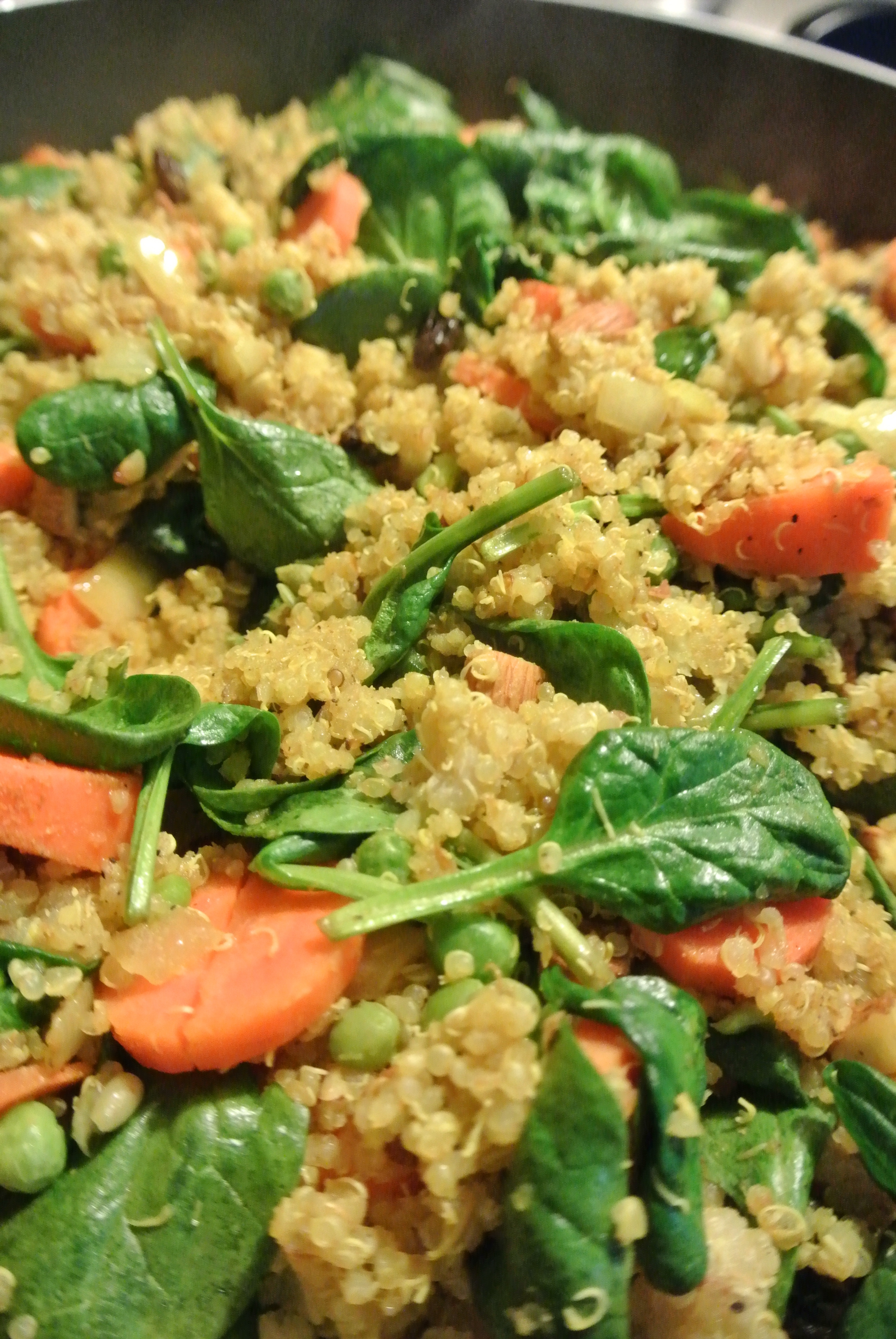
Quick & Easy Healthy Homemade Meals: Moroccan Quinoa

February 20, 2013 by Dr. Lyndsay Wareham, ND Leave a Comment

MOROCCAN QUINOA

It doesn't get much more healthy & delicious than this!

Bring this dish to your next potluck – people will be raving about it!

Prep time: 15 mins

Cook time: 30 mins

Serves: 6

 Ingredients

  • 2 cups quinoa, uncooked
  • 3 ½ cups water
  • 2 Tbsp coconut oil or olive oil
  • 1 medium onion, diced
  • 3 carrots, sliced
  • 1 cup raw almonds, chopped
  • ½ cup Thompson raisins or dried cranberries
  • 1-2 Tbsp mild curry powder (or hot curry powder if you like some spice)
  • 2 tsp ground cumin
  • ½ tsp each turmeric, ground cardamom or ground coriander
  • 1 tsp sea salt (or more, to taste)
  • ground pepper, to taste
  • 1 cup fresh or frozen green peas
  • 4 cups baby spinach (organic preferably – it’s on the Dirty Dozen)
  • 1 small (14oz) can Eden Organic Garbanozo beans or 1 cup soaked & boiled dried garbanzo beans(optional)

Preparation

– In a medium sized pot, cook 2 cups quinoa in 3 ½ cups water (and a pinch of salt) for 20 mins. Uncover when cooked, and allow to cool.

– Heat oil in a large skillet or pot over medium heat. Add the chopped onions, and sauté onions for 2-3 minutes.

– Then, add the sliced carrots and sauté for about 3-5 minutes, stirring often.

– Add almonds, raisins, spices & salt, and sauté 5 minutes more.

– Add cooked quinoa and peas (and garbanzo beans, if using), stir to coat ingredients evenly. (Add 1-2 Tbsp water, if quinoa is really dry, and/or 1 more Tbsp oil, if you think it needs it. You can also add more curry powder, if needed).

– Add in spinach and mix together well to wilt the spinach a bit (water from spinach will also help moisten the quinoa). Season with salt & pepper, and adjust spices to your liking.

– Serve and enjoy this dish – it’s a good one to add into the weekly dinner cycle!

Filed Under: Lunch & Supper, Recipes Tagged With: healthy moroccan quinoa, moroccan quinoa, moroccan quinoa recipe, quick and easy meals, quick and easy moroccan quinoa

Quick & Easy Healthy Homemade Meals: Rice & Beans

February 20, 2013 by Dr. Lyndsay Wareham, ND Leave a Comment

We really like using soaked & boiled dried beans in all of our bean dishes (see ‘Vegetarian Chili’ recipe post on how to prepare dried beans), but when we don’t have time then we use canned beans. However, we choose to use Eden Organic’s canned beans because they are BPA-free. As a reminder, BPA is a hormone disruptor that mimics estrogen in our bodies. This is especially bad for our children, as they have immature & developing (and therefore vulnerable) hormonal systems that are affected by what we eat and the environment that surrounds us. Here is an article that is easy to read & also has more information on BPA-free food products.

RICE AND BEANS

DSC_1473

Rice & beans served as a tortilla with guacamole & scrambled eggs

Prep Time: 10mins

Cook Time: 30mins (50mins for brown rice)

Serves 4-5

Ingredients

  • 1-2 Tbsp olive oil
  • 1 onion, chopped
  • 2-3 cloves garlic, chopped
  • 3 cups white basmati rice, cooked (use long grain brown rice for a healthier version)
  • 1 can Eden Organic kidney beans or 1-2 cups soaked & boiled dried kidney beans
  • ½ – ¾ cup tomatoes, chopped
  • 1 cup frozen or fresh green peas
  • 1 Tbsp chili powder
  • 2 tsp cumin
  • ¼ tsp cayenne (or more)
  • 1 tsp sea salt or Zesty Hebamare

Serve with one or many of the following:

  • Whole wheat tortilla
  • Brown rice tortilla (our favorite is ‘Food for Life Brown Rice Tortillas’)
  • Scrambled eggs
  • Avocado chunks
  • Guacamole
  • Salsa
  • chopped green onion
  • Shredded cheese

Preparation

– In a medium pot, cook rice according to package directions (usually about 20 minutes for white rice, 35-40 minutes for brown rice).

– Heat oil in a large skillet, add onion and garlic. Sautee for about 3 minutes. Add in rice, kidney beans, chopped tomatoes and spices. Stir to evenly coat ingredients. Add more cayenne or salt, as desired.

– Serve on its own or as a tortilla and garnish with any of the toppings mentioned above.

Filed Under: Lunch & Supper, Recipes Tagged With: best rice and beans, healthy rice and beans, homemade rice and beans, quick meals, rice and beans

Quick & Easy Healthy Homemade Meals: Vegetarian Chili

February 20, 2013 by Dr. Lyndsay Wareham, ND Leave a Comment

Using soaked dried beans really gives chili a fresh taste that is full of flavour – and it’s easier than you think! All you have to do is know that you want chili tomorrow night for dinner…

Place 2 cups of dried beans of your choice in 6 cups of water and leave them to soak for at least 8 hours. When you’re ready to use the beans, drain the water and rinse the beans. Then place the beans in a large pot with enough water to cover the beans by about one inch. Bring the water to a boil, and turn heat down to medium heat for about 30-40mins (replace any water, if needed). Meanwhile, prepare your veggies and any side dish. When beans are soft in texture, drain water and gently rinse beans. Now they are ready to use!

However if you didn’t make time to soak & boil the beans, and want to make up a quick chili, you can just use canned beans – they still make for a great chili. And you can find canned beans from Eden Organic which are BPA-free! (as a little reminder, BPA is an hormone disruptor which mimics estrogen, leading to healthy effects that are harmful to our women, men, and especially our children). As for canned tomatoes, there’s no company that makes BPA-free canned tomatoes as of yet. So, if you really want to reduce your intake of BPA (especially for your children), use home-canned tomatoes or diced tomatoes in glass jars. Here is an article that is easy to read & also has more information on BPA-free food products.

We like to serve this meal over short grain brown rice, or with a slice of toasted gluten-free bread – our favorites are kinnik-kinnick’s sunflower flax bread, Glutino’s flax seed bread, or any bakery-made or home-made bread. We also like Silvery Hill’s sprouted grain breads (they are not gluten-free) – Mack’s Flax, Big 16, or Squirrelly.

VEGETARIAN CHILI

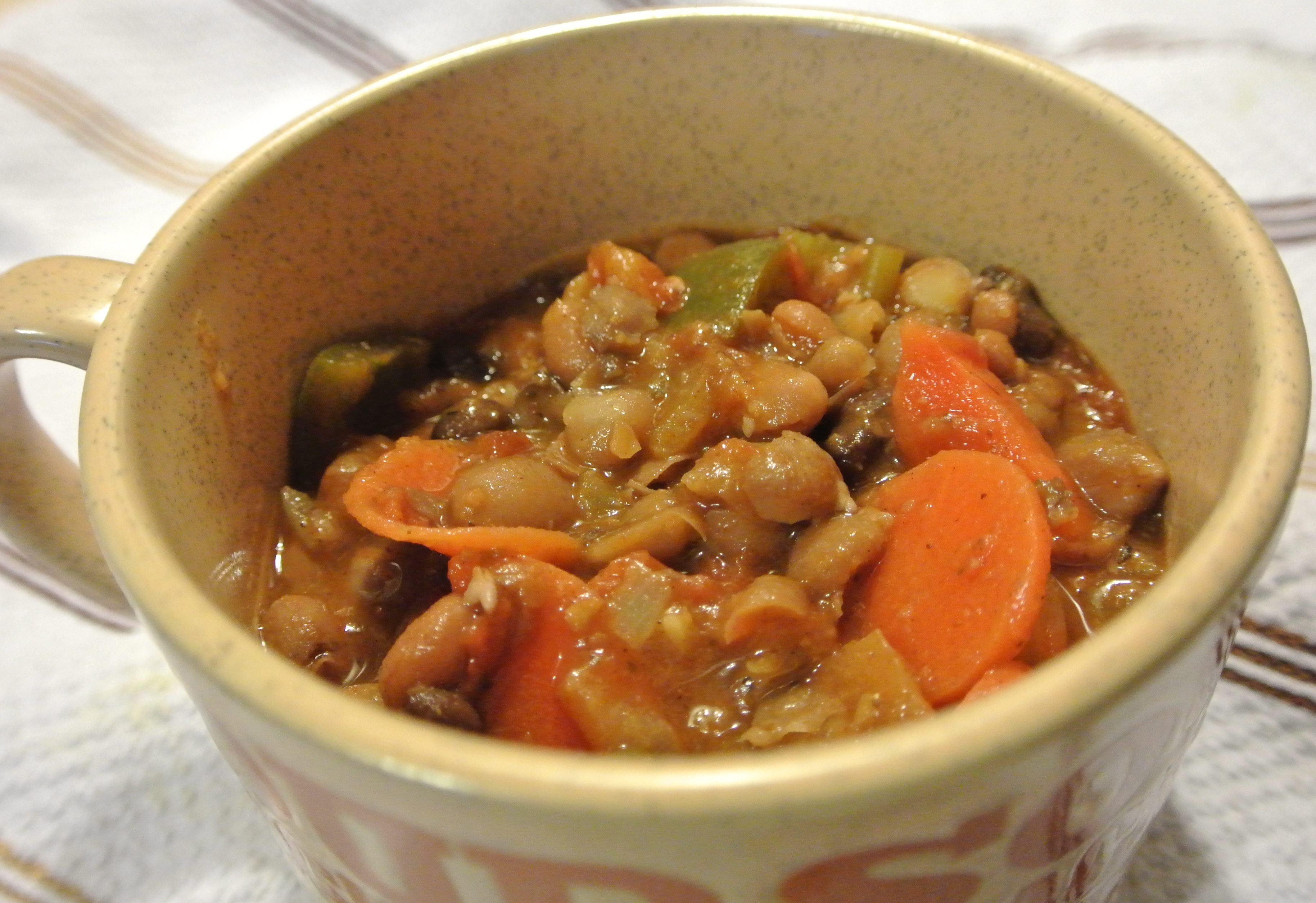
a nice hearty bowl of chill - made in less than 1 hour

a nice hearty bowl of chill – made in less than 1 hour


Prep Time: 20mins (just under 1 hour if using soaked dried beans method)

Cook Time: 20mins

Serves: 5-6

Soaked dried beans: Soak 2 cups dried beans (your choice: garbanzo, black, pinto, kidney) at least 8 hours or overnight in 6 cups of water. Drain water, rinse beans, and place in a large pot with enough water to cover the beans by about one inch. Bring to a boil, then reduce heat to medium and boil for about 30-40mins (replace water if needed). When beans are soft, drain and rinse gently… OR… Canned beans: Choose 2 of the following cans of beans: garbanzo, black, pinto, black eyed peas, cannellini, or kidney (small red) beans  – ideally from a BPA-free source such as Eden Organic

Ingredients

  • Beans (canned or soaked & boiled)
  • 1-2 Tbsp olive oil
  • 1 large (28oz) can or glass jar of diced tomatoes
  • 1 onion, chopped
  • 3-4 cloves garlic, chopped
  • 2 large carrots, chopped
  • 2 stalks celery, chopped (organic is best – celery is high on Dirty Dozen List)
  • ½ green or red bell pepper, chopped (ideally organic – Dirty Dozen List)
  • 2 tbsp chili powder
  • 2 tsp ground cumin
  • 1 tsp paprika
  • ¼ – ½ tsp cayenne
  • 1 tsp sea salt (or Zesty Hebamare – this is my secret ingredient… can be found at Superstore, Sobeys, & Corn Crib)
  • ground pepper, to taste

optional ingredients:

  • 1 cup frozen or fresh corn
  • grated cheese, as garnish
  • avocado chunks, as garnish

Preparation

–       Heat olive oil in a large pot over medium-high heat. Quickly add chopped onion, garlic and carrot, sautee for about 3 minutes.

–       Add spices and sautee for another 2-3 minutes, stirring often.

–       Then, add celery and bell pepper. Keep stirring to mix spices together with veggies.

–       Add diced tomatoes and beans (we like to use a fork and mash some of the beans before adding to give the chili a nice thick texture). Bring to a near boil and reduce heat to simmer for about 15-20mins.

–       Garnish & serve with rice or toast side dish (recommended above) for a filling meal.

(*To make this a Non-Vegetarian Chili, just cook 1 lb ground beef fully with onions and garlic. Add carrots after ground beef is cooked.)

Filed Under: Lunch & Supper, Recipes Tagged With: best vegetarian chili, easy vegetarian chili, healthy chili, healthy chili recipe, homemade chili, homemade chili recipe, quick and easy chili, quick and easy meals, quick and easy vegetarian chili, quick chili recipe, vegetarian chili recipe

Traditional Chinese Medicine Organ Times

February 17, 2013 by Dr. Lyndsay Wareham, ND 45 Comments

Yin & Yang are opposite energies, yet they are interdependent and could not exist without the other.

Yin & Yang are opposite energies, yet they are interdependent and could not exist without the other.

In Traditional Chinese Medicine (TCM), there is an organ clock that represents the time of the day when each organ is functioning optimally and has the most energy. There are 12 organ systems and 2 accessory systems that are represented by this clock. Each organ system is also associated with an emotion, taste, sense organ, season, etc. but this is beyond the scope of this article. Here we will discuss the physical and emotional symptoms that arise if an organ is out of balanced. But keep in mind that if some of the symptoms don’t make sense (ie. kidney imbalanced showing up as premature greying of hair), just know that TCM is a highly developed and intricate form of medicine that differs from Western medical diagnosis.

Here is a brief discussion of the organ systems with their corresponding times, and how imbalances in these systems may arise both physically and emotionally.

3-5am Lung: The lung is responsible for moving the qi (energy) through the meridians and to the entire body, as well as providing immune protection. It is also emotionally associated with grief. You may find that wake up during these times if you are struggling with grief or sorrow. Imbalances may also show up as wheezing, coughing, asthma, or getting sick easily.

5-7am Large Intestine: This is the best time to have a bowel movement. The large intestine is all about ‘letting go’ physically and emotionally. Symptoms of malfunction include constipation, dry stools, skin rash, and feeling emotionally ‘stuck’ .

7-9am Stomach: The stomach’s function is digestion & breakdown of foods, so this is the best time to eat a healthy & hearty breakfast. If out of balance, symptoms that may arise include acid reflux, stomach ulcer, and bad breath.

9-11am Spleen: The spleen extracts nutrients from food, transforms it into energy and transports it to other organ systems. During this time, you can support the spleen by having a nice cup of warming tea, or a light snack. Foods that support the spleen include cinnamon, yam, dates, and lentils. Imbalances may show up as loose stools, bloating after meals, craving sweets, and low energy.

11am-1pm Heart: During these hours, it is best to relax, take a siesta, and enjoy lunch. The heart dislikes heat (emotional & physical), so try to avoid caffeine, stress, intense exercise, or anything that raises your blood pressure. Symptoms of imbalance are palpitations, shortness of breath, cold hands & feet, and insomnia.

1-3pm Small Intestine: The small intestine separates the clear and turbid fluids, and moves these to the urinary bladder and large intestine, respectively. If you haven’t drank enough water during the day, you are more likely to feel dehydrated during these times. When out of balance, conditions that may arise include duodenal ulcer, bloating with vomiting or gas.

3-5pm Urinary Bladder: This is a time of the day when you can feel a dip in energy levels, especially if you are not well-hydrated. The urinary bladder stores & secretes urine (clear fluid), and is nourished by salty foods so having a bowl of brothy soup, such as miso or veggie broth, during this time helps strengthen the bladder (and the kidney, which is it’s paired organ). When out of balance, you may experience burning when urinating, yeast infection, or urinary incontinence.

5-7pm Kidney: The kidneys are responsible for healthy reproduction, development, and growth. Some activities that support this are to have a healthy meal (but not too large) with a little salt for flavoring and love making, which keeps your kidney ‘essence’ strong! When the kidney meridian is out of balance, symptoms that may arise include sexual difficulties, low back pain, or premature graying of hair.

7-9pm Pericardium: This is one of the accessory organs systems. To support the pericardium, this is the time to do something gentle to help you ease into sleep, such as meditation, light stretching, reading, or cuddling.

9-11pm San Jiao (Triple Burner): This is the second accessory organ system. During this time, to best support San Jiao, we should think about going to sleep during this time – having an earlier bed time in the winter, and staying up a little later in summer.

11pm-1am Gall Bladder: Physically, the gallbladder stores and excretes bile, but emotionally, it is in charge of self-esteem and decision-making. If you’re not sleeping by this time, you are depleting your gall bladder’s energy stores, which over time, can lead to poor self-esteem, poor judgment, or difficulty digesting fats.

1-3am Liver: The liver’s role is to store blood for menstruation and to get us through the day. If you’re not sleeping at this time, you can quickly become deficient, especially if you are female because of the importance of blood for menstruation (even for those going through menopause). The liver is also emotionally connected to anger. You may find that you wake up between 1-3am if you have repressed anger or long standing resentment. Symptoms of liver imbalances include irregular menstruation, anemia, chronic fatigue, and headache.

Filed Under: Articles, Naturopathic Articles Tagged With: chinese medicine clock, chinese medicine organ clock, chinese medicine organ times, TCM clock, TCM medicine clock, TCM organ times

Quick & Easy Homemade Healthy Meals: Pita pizzas

February 15, 2013 by Dr. Nicholas Anhorn, ND Leave a Comment

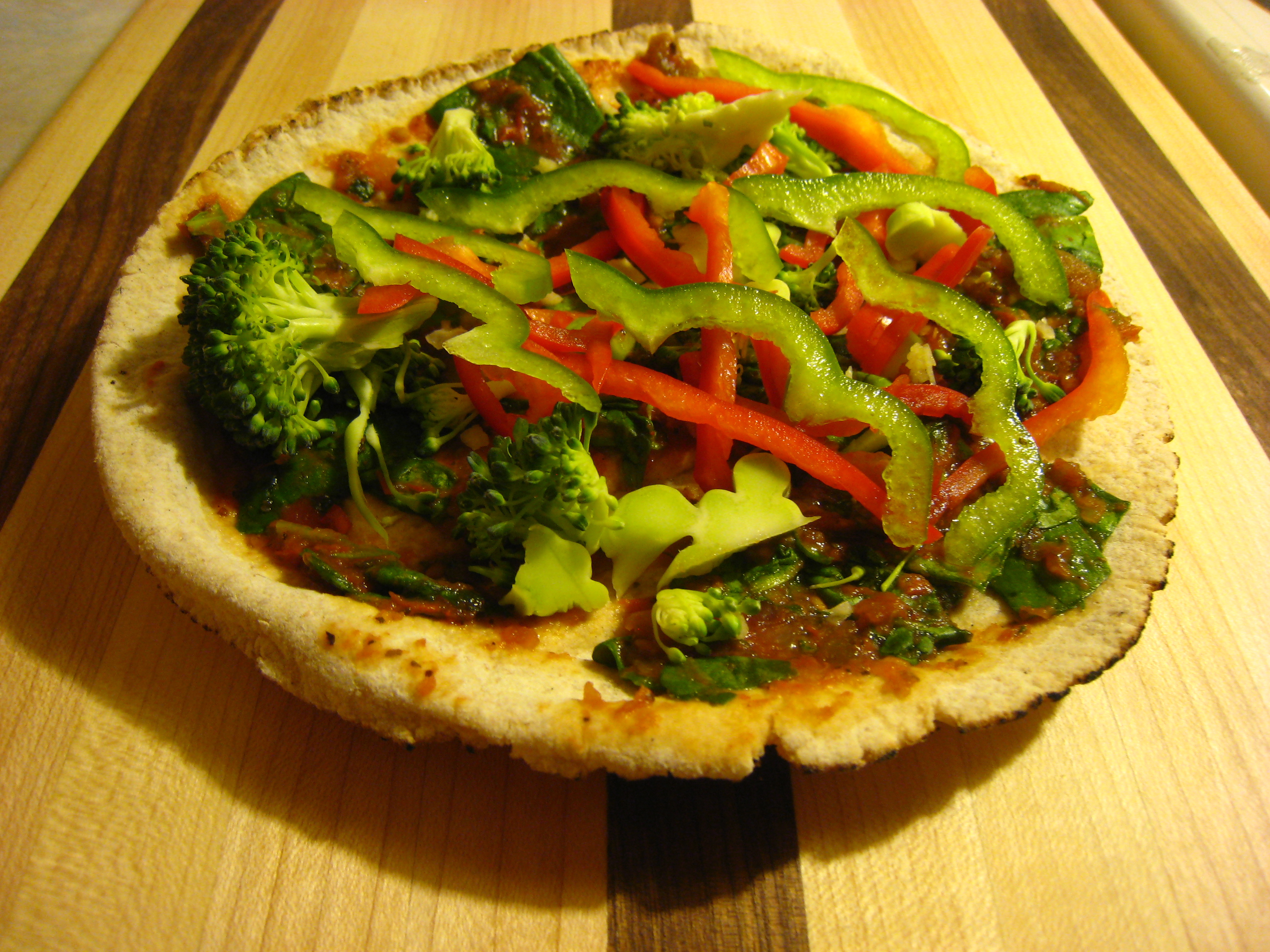
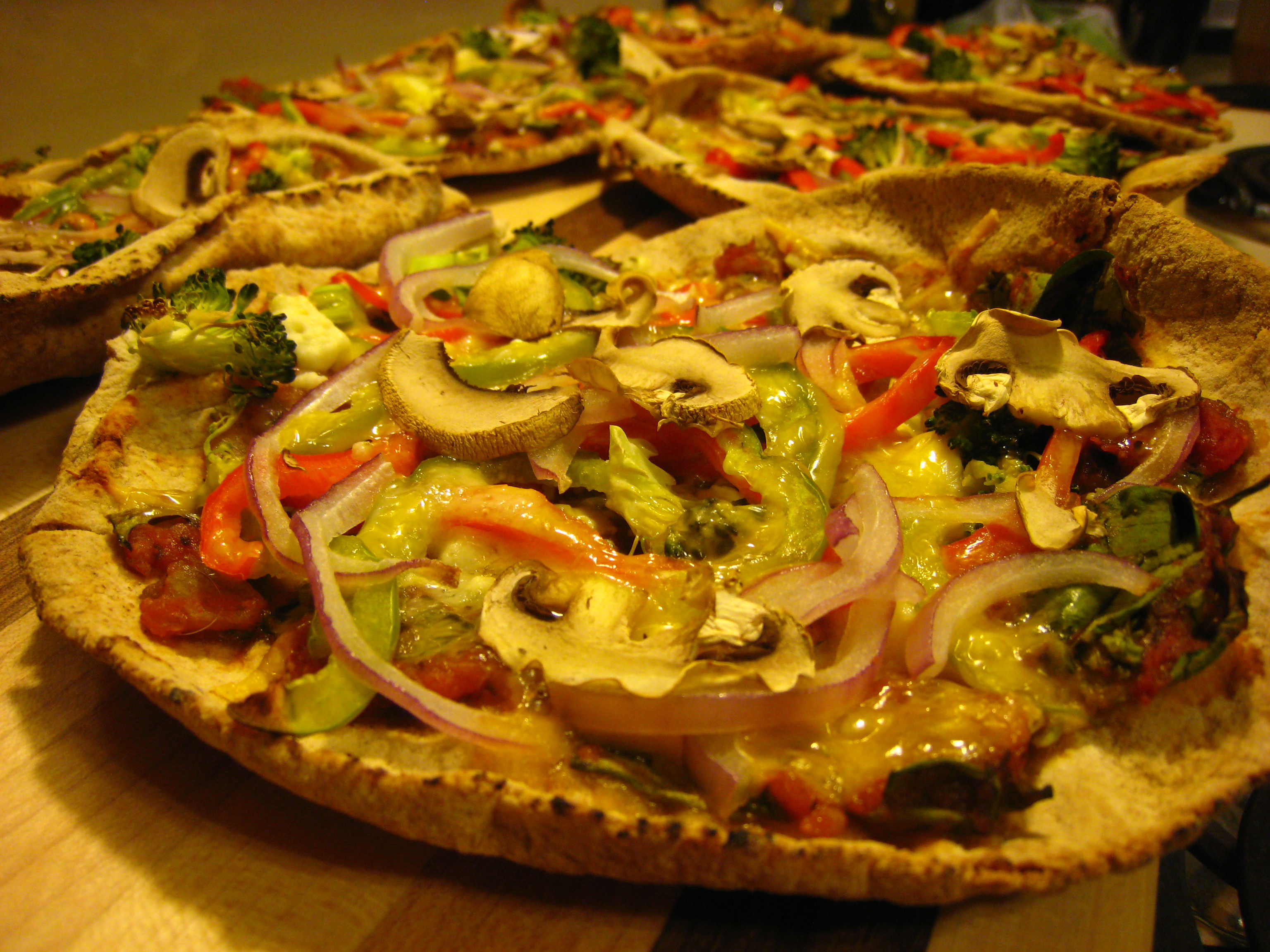
Pita pizzas are so versatile. You can switch up the veggies and sauce for a your very own personal pizza experience. And because they are so quick to make, they are great for an easy dinner, lunch or even a snack.

Prep Time: 15mins
Cook Time: 10mins
Serves: as many or as few as you make

PITA PIZZAS

Whole wheat pita

Sauce (choose one or mix a few together):

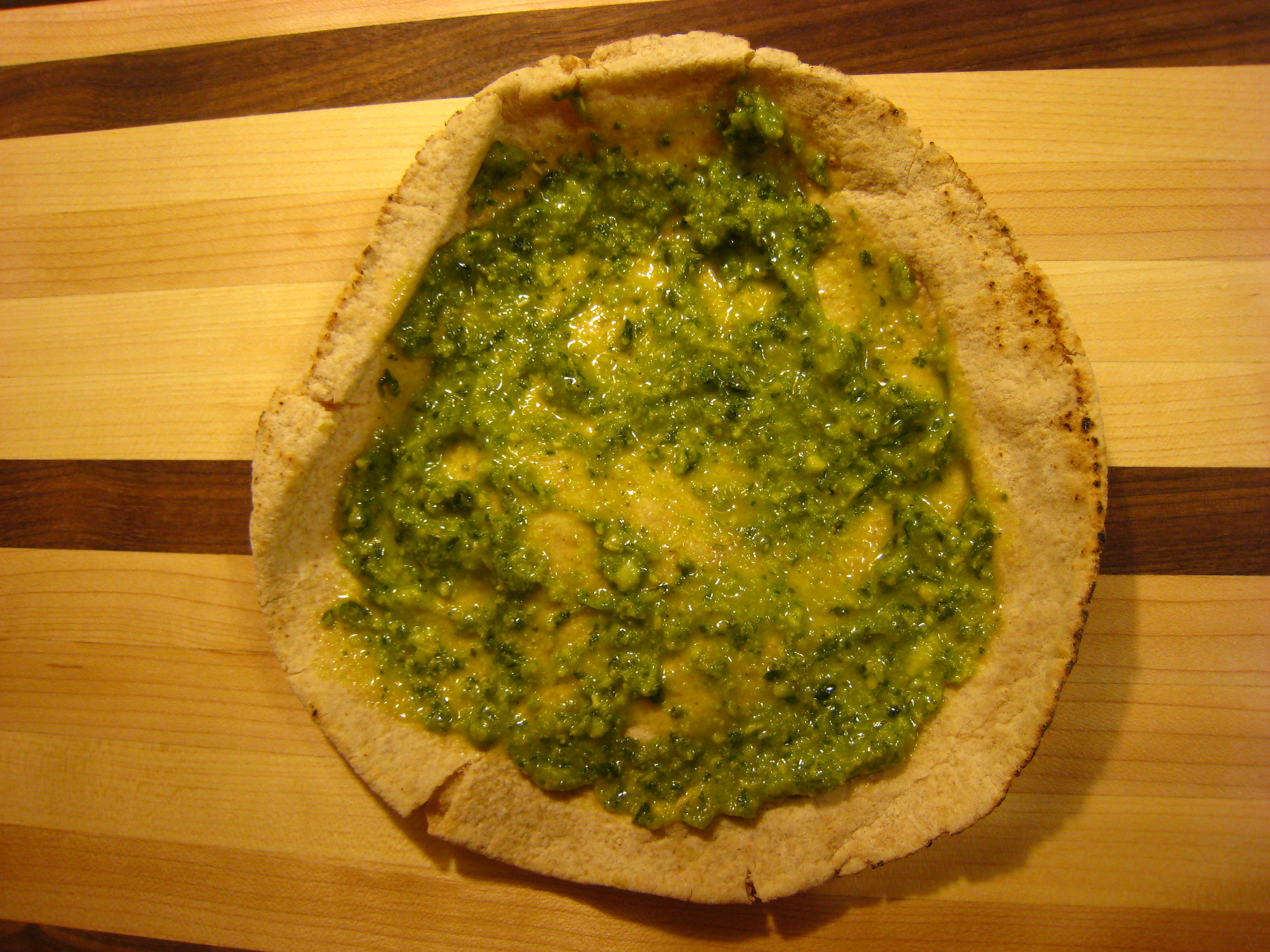
with pesto

with pesto

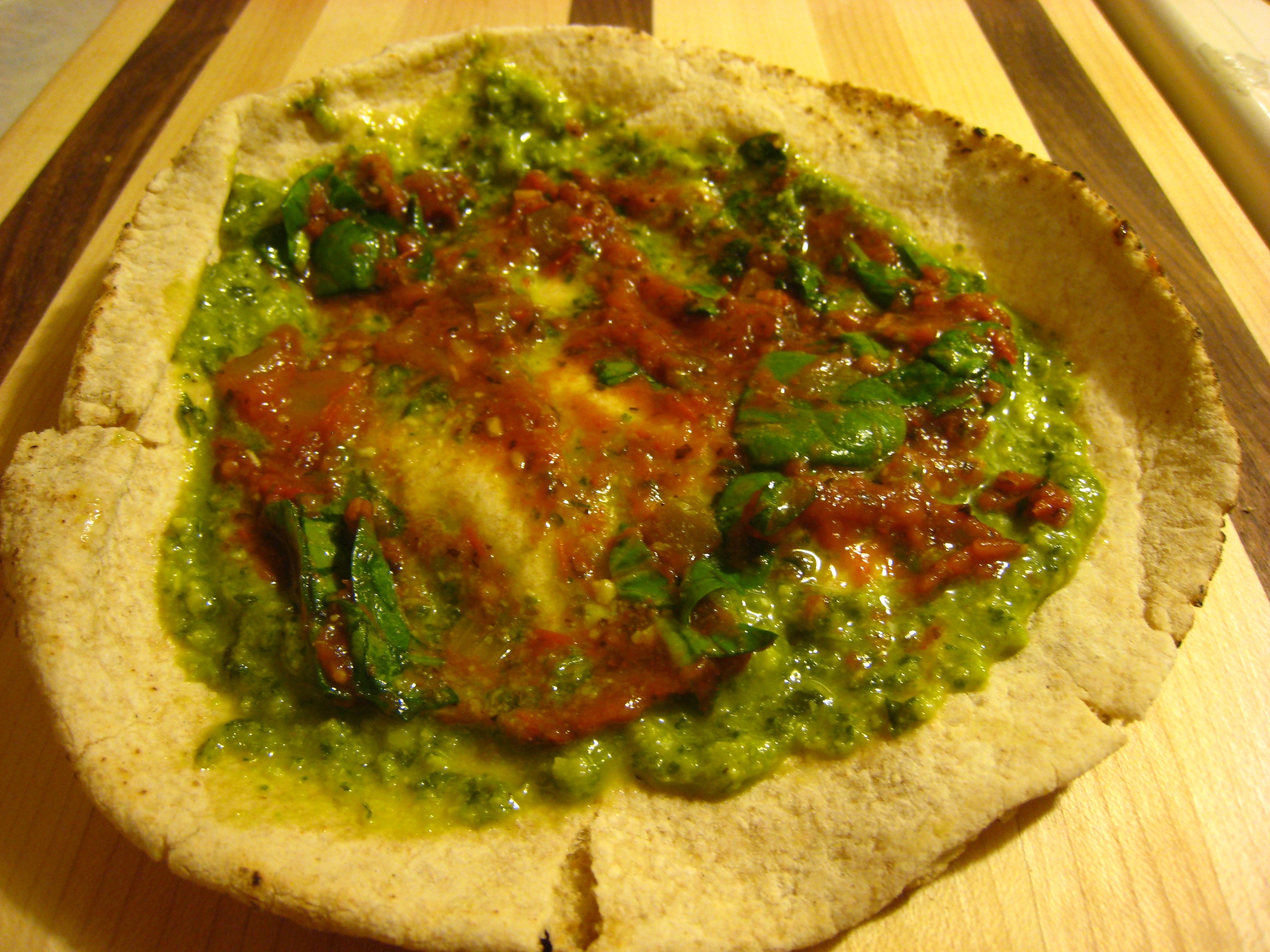
with pesto, spinach and tomato sauce reduction

with pesto, spinach and tomato sauce reduction

  • Salsa
  • Pesto
  • Quick sauce: A few scoops of canned or fresh crushed tomatoes (without liquid) put into a blender with Italian seasoning
  • Tomato sauce reduction: A few scoops of canned crushed tomatoes reduced to have very little liquid left, with added Italian seasoning, and blended (if needed)

Toppings (choose a few or all of the following):

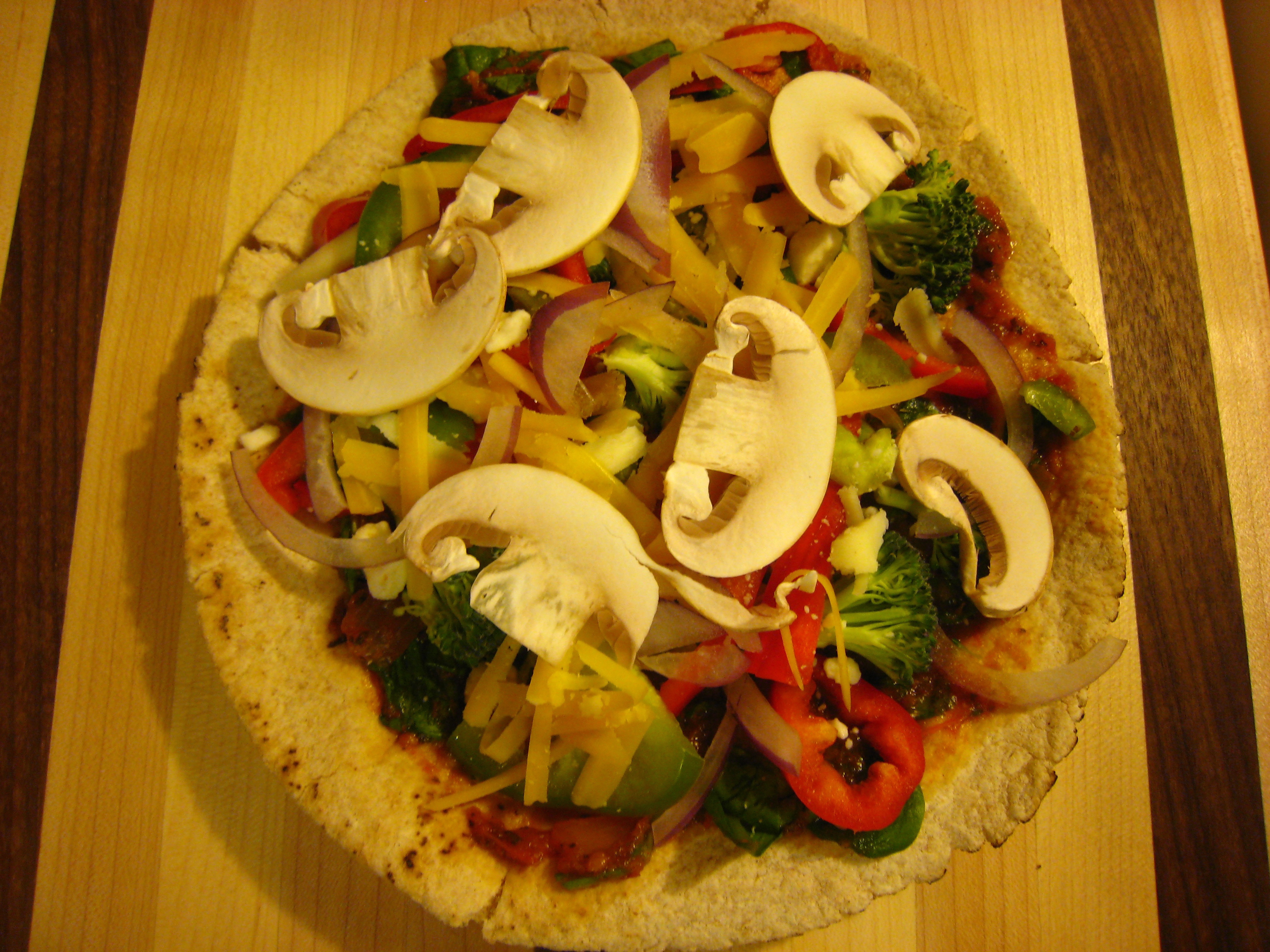
with more veggies added

with more veggies added

with veggies added

  • Onion, sliced or diced (we like red onion)
  • Mushrooms, sliced
  • Spinach, chopped
  • Peppers, chopped
  • Broccoli, chopped
  • Cheese of your choice, grated or crumbled (feta, white cheddar, mozza)
  • chunks of cooked chicken

Bake at 350F for 10-15 mins. Serve immediately, with side salad or veggie dish for a complete meal.

baked to perfection

baked to perfection

Filed Under: Lunch & Supper, Recipes Tagged With: easy pita pizza, easy pizza, easy pizza meal, easy pizza recipe, healthy pizza, healthy pizza recipe, pita pizza

Anti-Inflammatory and Pro-Inflammatory Foods

February 13, 2013 by Dr. Lyndsay Wareham, ND 2 Comments

ANTI-INFLAMMATORY FOODS TO INCREASE IN YOUR DIET

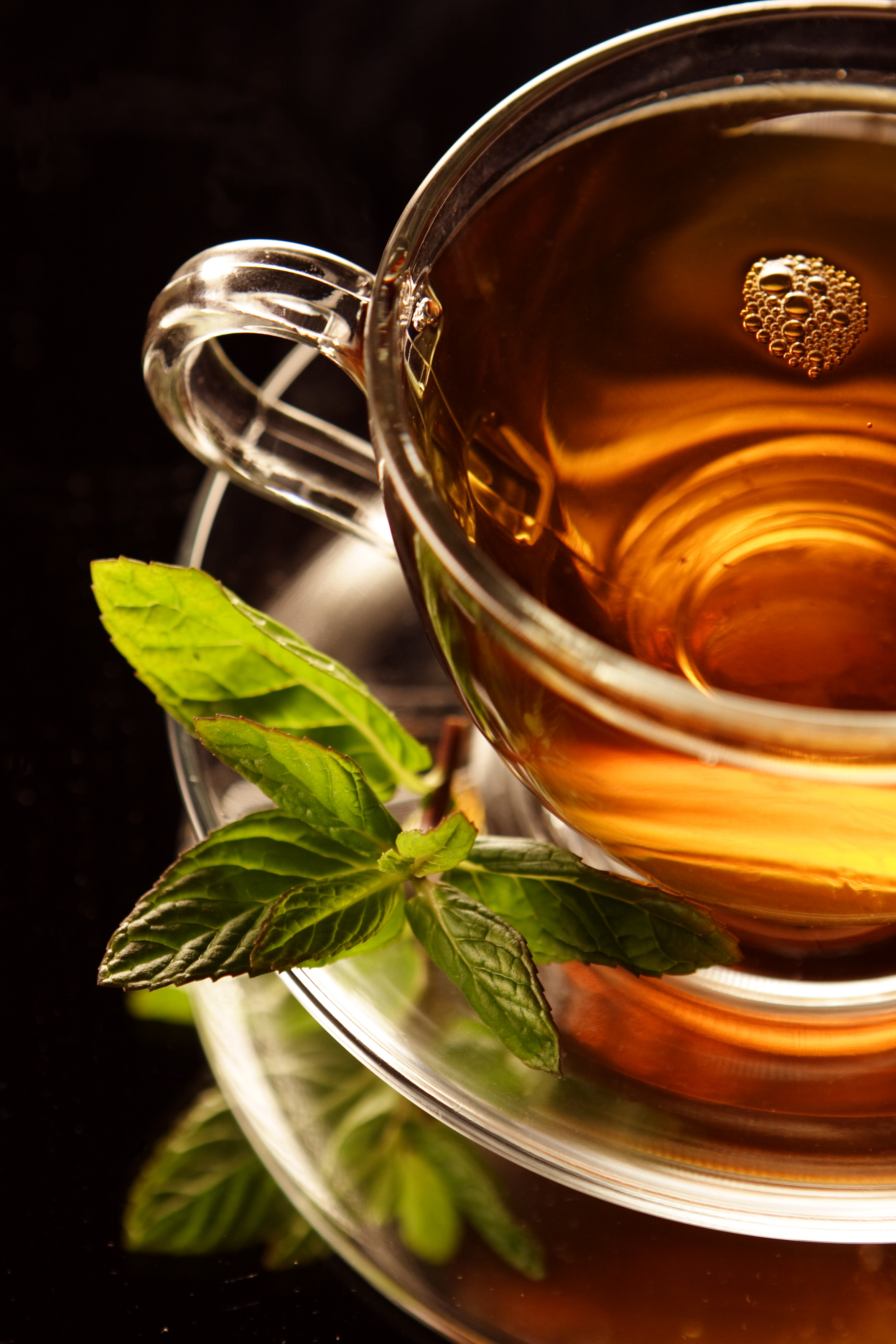
Loose leaf has higher amounts of flavonoids compared to tea bags

Loose leaf green tea has higher amounts of flavonoids compared to tea bags


  • Kelp – contains fiber, and minerals such as iodine for healthy thyroid functioning
  • Wild Salmon – has essential fatty acids that are anti-inflammatory and are required for optimal brain function & cell structure.
  • Turmeric & Ginger – turmeric contains curcumin & ginger contains gingerols which are anti-inflammatory seen to help reduce pain & swelling in muscles and joints
  • Green Tea – contains flavonoids which are a group of compounds that have anti-inflammatory & anti-oxidant activity
  • Blueberries – high in anti-oxidant & anti-inflammatory compounds that are beneficial for all kinds of health conditions – and not to mention that they taste great!
  • Extra virgin olive oil – contains polyphenols that are protective to the heart & blood vessels
  • Nuts & seeds – walnuts, almonds, sesame seeds – contain essential fatty acids which have anti-inflammatory action
  • Garlic & onions – contains sulfur-containing compounds that improve immunity & are anti-inflammatory, especially for the cardiovascular system
  • Papaya – contains an enzyme papain that helps improve digestion, and nutrients such as vitamin C & beta-carotene which are anti-inflammatory and help improve tissue healing


PRO-INFLAMMATORY FOODS TO DECREASE IN YOUR DIET

... a nutrient-deplete pro-inflammatory food

… a well-known  nutrient-deplete pro-inflammatory food


  • Refined sugars (white, brown & cane sugar) – diets high in refined sugars decreases immunity & contributes to overall inflammation in the body
  • High omega 6 fatty acids (safflower, sunflower, soybean, corn oil) – high omega 6:omega 3 fatty acids leads to inflammation contributing to many health problems & diseases
  • Dairy – contains proteins that are common allergens that trigger inflammatory responses (constipation, diarrhea, rash) in sensitive individuals, and are a source of saturated fats
  • Nightshades (tomatoes, potatoes, eggplant, peppers) – have been linked to joint pain & stiffness, headaches & migraines in sensitive individuals
  • Red meat & processed meats – often high in saturated & trans fats, which when consumed in large quantities are linked to increased cardiovascular disease risk and other health risks associated with the processing of meats
  • Trans fats – increase ‘bad’ cholesterol & lower ‘good’ cholesterol & promote unhealthy weight gain & inflammation in the body
  • Alcohol – irritates the stomach lining & liver and, in high amounts, leads to unnecessary calorie intake which may contribute to obesity & sugar dysregulation over time
  • Food additives & preservatives – MSG, aspartame, food dyes are often triggers of inflammation in people who are already experiencing inflammatory conditions such as arthritis and colitis

Filed Under: Articles, Healthy Foods Tagged With: anti-inflammatory diet, anti-inflammatory foods, foods that decrease inflammation, foods that increase inflammation, pro-inflammatory foods

Almond & Date Oatmeal Muffins (gluten-free, dairy-free)

February 7, 2013 by Dr. Lyndsay Wareham, ND 2 Comments

ALMOND & DATE OATMEAL MUFFINS (gluten-free, dairy-free, & a good amount of protein!)

I just made these AWESOME muffins modified from the Nourishing Meals cookbook. They are our new favorite muffins! They are moist & delicious, and are especially tasty when eaten fresh out of the oven.These muffins provide a good amount of protein with the use of teff flour, almond meal, eggs & almond butter. This recipe got me very excited since I’m trying to steer away from the brown rice flour world and into the world of other nutritious gluten-free flours.

Teff flour is high in protein, slightly sweet & nutty in taste and gives a kind of fluffy or wheat-like texture to baking. The almond meal is high in protein and healthy fats, is essential for keeping the muffins moist (but if you forget this ingredient or don’t have it, you can still make a tasty muffin without it).


Delicious - in every which way!

Delicious – in every which way!


Almond & Date Oatmeal Muffins (gluten-free, dairy-free)
 
Print
Prep time
15 mins
Cook time
30 mins
Total time
45 mins
 
You can easily add or substitute many of the ingredients in this recipe to make it your own. For example, you can add any nut (walnuts) or seed (whole flax, hemp hearts), or substitute dates for dried apricots.
Author: Lyndsay & Nicholas
Recipe type: breads, baked goods
Cuisine: gluten-free, dairy-free
Serves: 14-16
Ingredients
  • 1 cup teff flour
  • 1 cup gluten-free rolled or quick rolled oats
  • ½ cup almond meal/flour
  • ½ cup tapioca flour
  • 2 Tbsp ground chia seeds
  • 2 Tbsp ground flax seeds
  • 2 tsp baking powder
  • ½ tsp baking soda
  • ½ tsp salt
  • 1 ½ cup dates, chopped
  • ¼ cup whole flax seeds or hemp hearts (optional)
  • ¾ cup unsweetened applesauce
  • ¾ cup vanilla almond or rice milk
  • ⅓ cup olive oil
  • ⅓ cup maple syrup
  • 2 large organic eggs, whisked*
  • ¼ cup plus 2 Tbsp almond butter
  • 2 tsp vanilla
Instructions
  1. Preheat oven to 350 F. Grease muffin tins with oil or butter.
  2. In a large bowl, add flours, tapioca starch, ground chia & flax seeds, baking powder, baking soda and salt. Mix together well.
  3. In a separate bowl, add olive oil, apple sauce, almond milk, maple syrup, and whisked eggs, and vanilla & mix together.
  4. Fold in dates and seeds or nuts, if using.
  5. Add wet ingredients into dry ingredients & mix together.
  6. Let the batter sit for about 5 minutes so the oats have a chance to soak up the moisture.
  7. Spoon batter into muffin tins until pretty full. It ends up filling 14-16 muffin cups, which is a bit awkward because you'll have to use 2 muffin tins. Fill the empty muffin cups ¾ with water.
  8. Bake for 25-28 mins.
  9. Place on a wire rack to cool slightly and Enjoy!! ... I know you will 🙂
3.4.3177


*Want this recipe egg-free? For each egg, mix together 1 Tbsp ground flax with 3 Tbsp water and add 1/8 tsp baking powder. You can also use ground chia seeds instead of ground flax, or add 1/2 of a large mashed ripe banana.

Filed Under: Recipes, Snacks & Baked Goods Tagged With: best gluten and dairy free muffin recipe, best gluten-free muffins, dairy and gluten free muffins, date almond quinoa gluten-free muffins, date almond quinoa muffins, favorite gluten-free muffins, gluten-free muffins, gluten-free quinoa muffins, moist gluten free muffins, teff flour

  • « Previous Page
  • 1
  • …
  • 3
  • 4
  • 5
  • 6
  • 7
  • Next Page »

Meet Dr. Nicholas ND & Dr. Lyndsay ND

We are two naturopathic doctors with a vision to inspire healthy cooking, healthy eating, and healthy living for you and your family.  Read more about us >>

  • Email
  • Facebook

Subscribe

Heart Healthy Omega Burgers

Dairy-free Cashew Cream for Breakfast Parfaits & more!

Four essential ways to use Turmeric

Easy, Every Day Spa Treatments to Enjoy at Home

Crispy Cheesy Kale Chips

Ken-Tucky Fried Chicken

Dairy-free Seafood Chowder

3 Ingredient Mango Creamsicle (dairy-free, gluten-free)

Copyright © 2026 · Foodie Child Theme by Shay Bocks · Built on the Genesis Framework · Powered by WordPress